
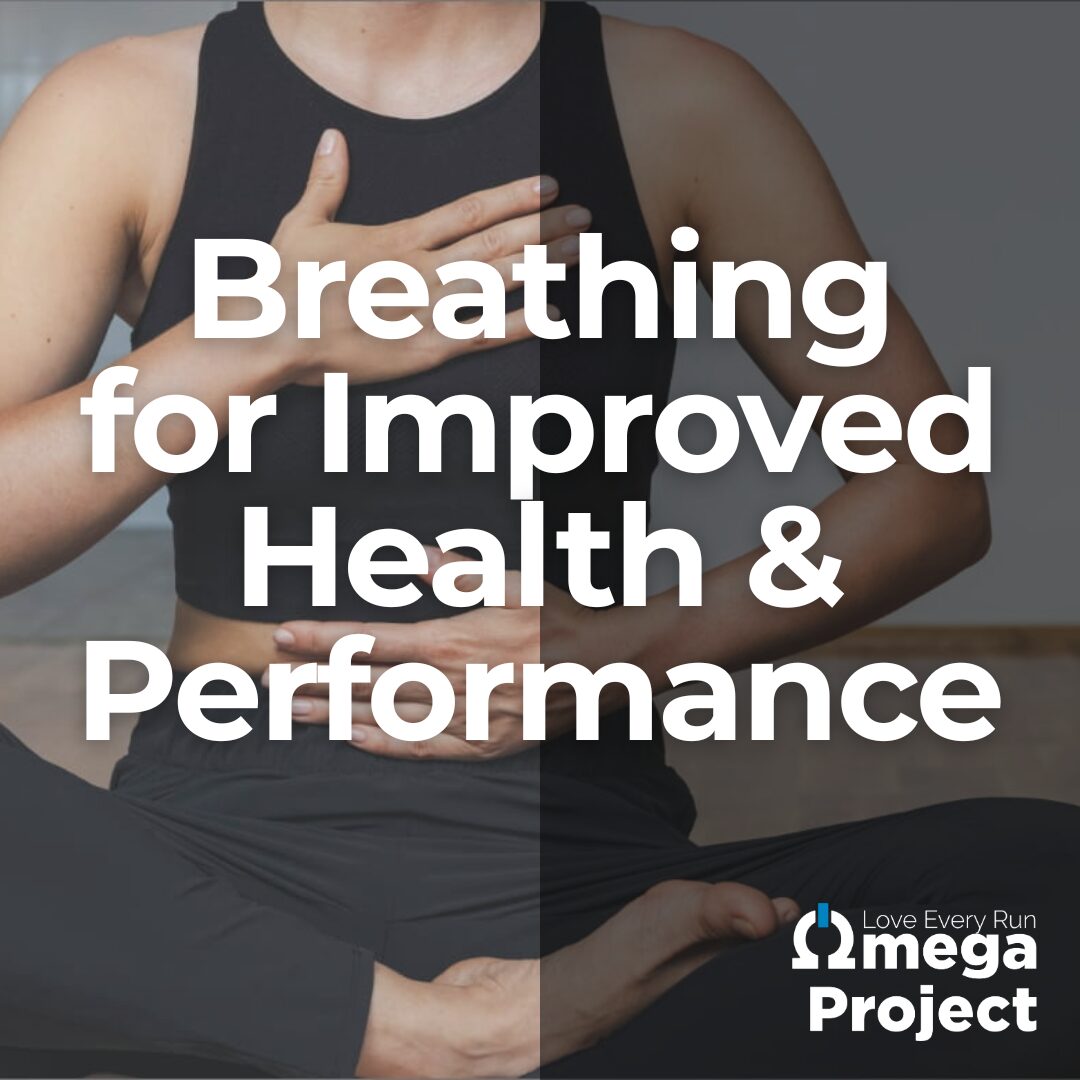
Your breath isn’t just automatic — it’s a powerful tool that connects your mind, body, and performance.
“Breath is the link between mind and body.” — Dan Brule
“If you can’t breathe in a position, you don’t own that position.” — Gray Cook
Why Most People Don’t Breathe Well
Many factors — like poor posture, stress, trauma, and lack of core stability — can compromise how we breathe. When this happens, we unknowingly default to inefficient, shallow breathing patterns that rely on accessory muscles (like those in your shoulders and neck).
If you place one hand on your belly and one on your chest and notice your chest rising, you’re likely using those accessory muscles instead of your diaphragm. These secondary muscles fatigue and tighten over time, which can contribute to neck tension, shoulder pain, and a chronic stress response.
Why Diaphragmatic Breathing Matters
The diaphragm is central to not just breathing, but how your body manages stress, movement, and core stability. It connects to your ribs, spine, sternum, and even the fascia of your hip flexors — meaning its function touches everything from posture to digestion.
Even more critically, several major systems pass through or are influenced by the diaphragm:
- Blood circulation (aorta and vena cava)
- Digestion (esophagus)
- Nervous system (parasympathetic and sympathetic balance)
When the diaphragm is restricted, it can affect:
- Blood pressure
- Digestion
- Nervous system regulation
- Sleep
- Recovery
- Athletic performance
The Benefits of Improved Breathing
When you restore functional breathing — with a mobile, relaxed diaphragm and efficient mechanics — the impact is profound:
- Lower blood pressure and stress levels
- Reduced anxiety
- Better digestion
- Improved sleep and recovery
- Fewer symptoms of exercise-induced asthma
- Enhanced oxygen intake and performance
This simple shift can help you feel calmer, move better, and get more out of your workouts.
Well, How Do We Breathe Better?
One of the most effective ways to begin is by practicing diaphragmatic (belly) breathing — focusing on expanding the belly with each inhale and relaxing with each exhale.
Lying on your back with one hand on your belly and one on your chest, take slow, deep breaths through your nose. Your goal is for your belly to rise while your chest stays still — this engages the diaphragm and signals a calm, efficient breathing pattern.
This foundational practice is the first step toward better health and performance from the inside out.
Make Your Breath Work for You
Your breath is always with you — it doesn’t cost anything, requires no equipment, and can transform how you feel throughout the day. Start paying attention to it, and notice how much better your body responds.
Helpful Resources
Download or save this document, and refer to it as you start on your improved breathing journey!
Interested in understanding more and applying these breathing practices with more personalized guidance? Reach out to Dr. Brianne at brianne.scott@omegaprojectpt.com.
